
For First-Time Users
Traffic Signals and Signs You Should Know
About Traffic Signs
Relationship Between Signals and Signs
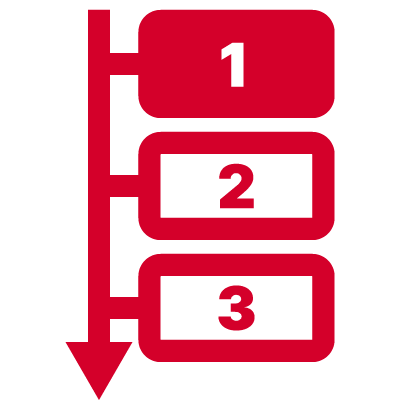
In Japan, traffic rules are applied in a specific order depending on the situation.
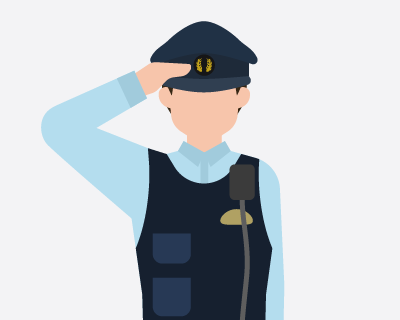
❶ Police Officer Instructions (Highest Priority)
If police are directing traffic due to accidents, construction, or events, follow their instructions over signals and signs.
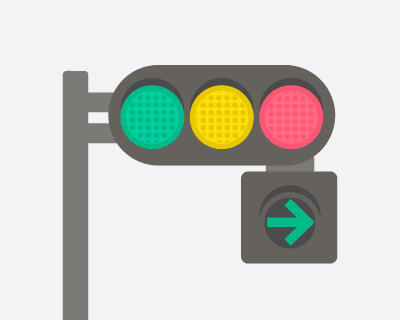
❷ Traffic Signals
If no police officer is present, follow the traffic signals.
At intersections with signals, signals override signs.
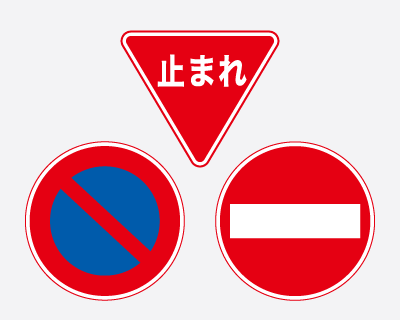
❸ Regulatory Signs & Markings
Where no signals exist, regulatory signs apply.
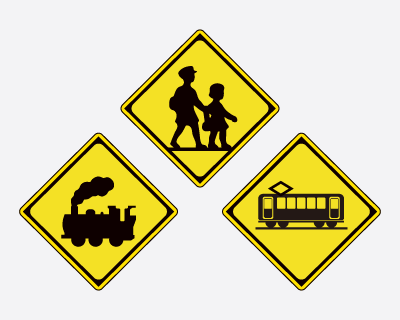
❹ Warning Signs
Warning signs alert drivers to surrounding conditions.
If multiple displays are present, they apply from top to bottom.
However, where no signal exists, always follow regulatory signs.
Mandatory Signs (Regulatory Signs)
The following signs must always be obeyed.
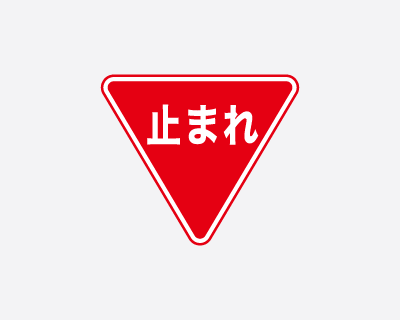
Stop (With Stop Line)
- Must come to a complete stop before the stop line
- Slowing down only is a violation
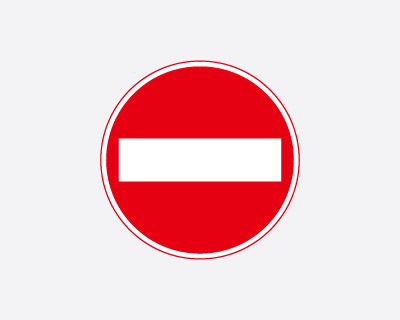
No Entry
- Entry from the specified direction is prohibited
- Driving against traffic is a serious violation
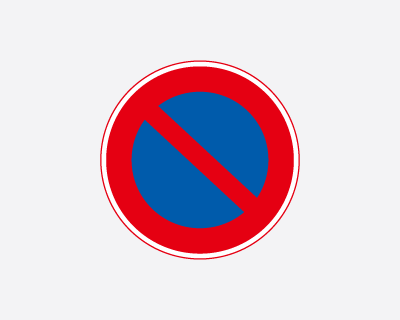
No Parking / No Stopping
- No Parking: even short stops prohibited
- No Stopping: no passenger loading/unloading
Violations are subject to fines and demerit points.
Warning Signs Requiring Caution
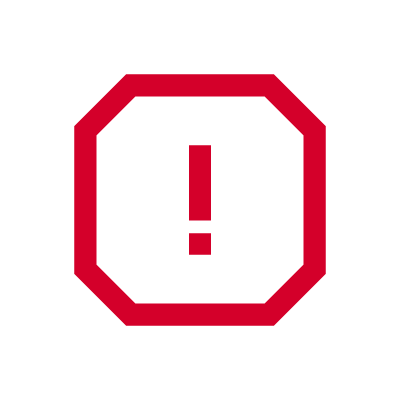
Drive with extra caution
where these signs appear.
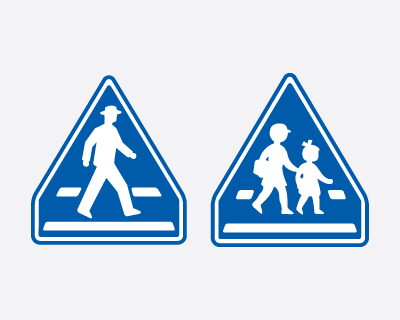
Crosswalk
- Must stop if pedestrians are present
- Pedestrians have priority even without signals
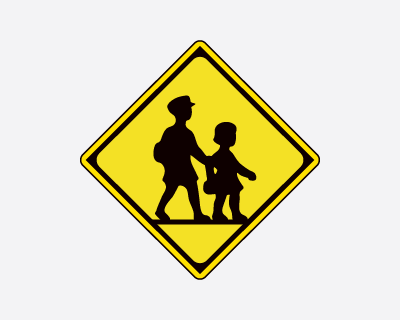
School / Children Warning
- Watch for children running into the road
- Check surroundings and slow down
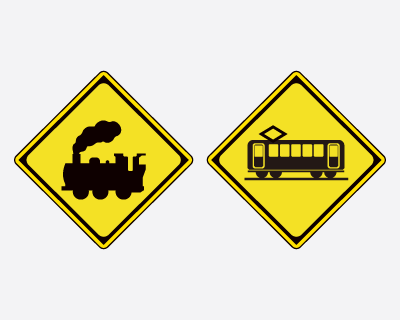
Railroad Crossing
- Must stop before railroad crossing
- Proceed after checking both directions
Warning signs mean "slow down and use caution."
Guide Signs & Supplementary Signs
Guide and supplementary signs provide
important driving information.
For safe driving, make sure you understand the meaning of traffic signs correctly.
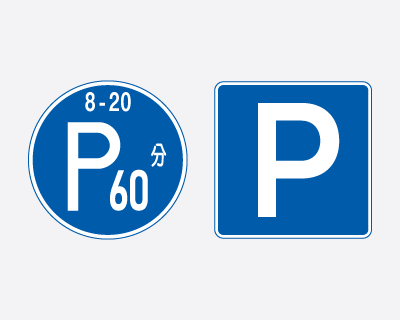
Parking
- Indicates parking areas
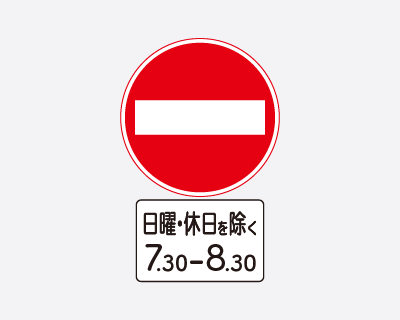
Time/Day Supplementary Signs
- Specifies regulated times/days
- Always check the details
Overlooking supplementary signs may result in violations.
List of Traffic Signs in Japan
Check commonly seen Japanese road signs.
Japanese Signs
We have summarized common traffic signs in Japan and their meanings. Review them before driving and drive safely.
Regulatory Signs
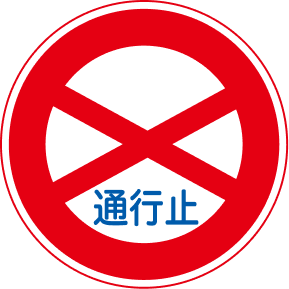
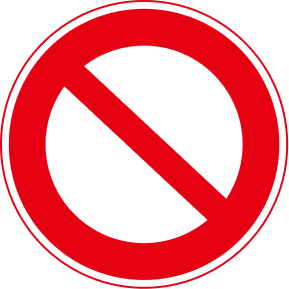
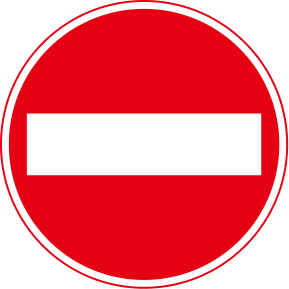
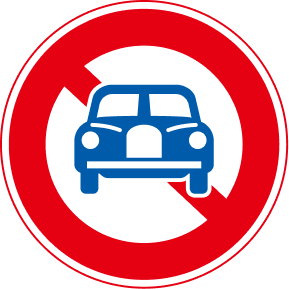
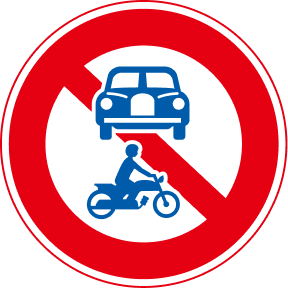
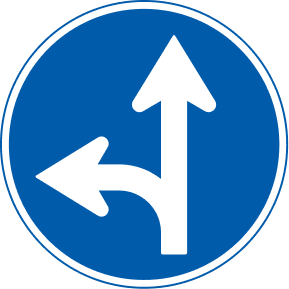
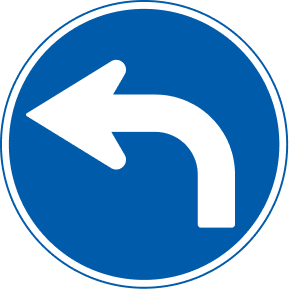
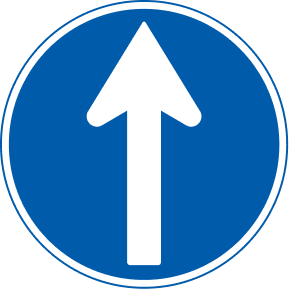
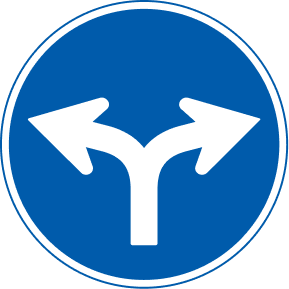
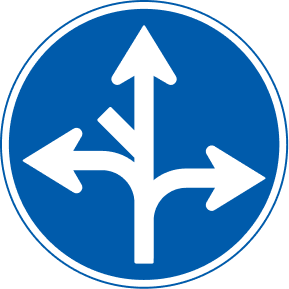
If you do not understand a sign while driving,
stop in a safe place before checking.
For First-Time Users
Pick-up Location
Return Location
Pick-up Date
Return Date
